Pool Era field notes
8 Creatures Found in Texas Hill Country Pools
From frogs to rattlesnakes, Hill Country pools attract more than swimmers. Here is what Pool Era looks for and what pool owners can do next.
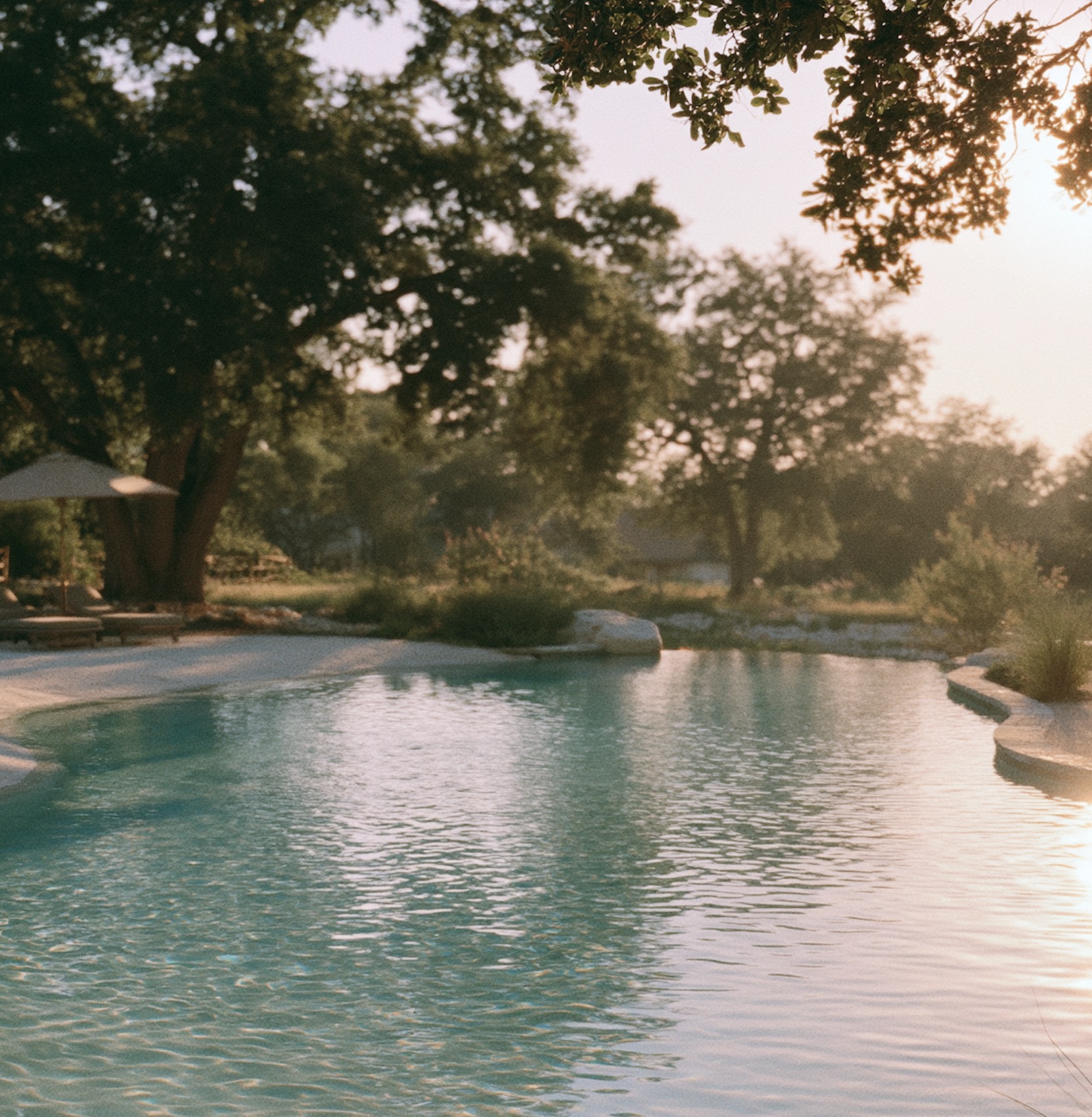
If you own a pool in the Texas Hill Country, you already know the water is not the only thing you need to manage. From Boerne to Bandera, Kerrville to New Braunfels, the landscape out here shares your backyard with creatures that most pool owners in other states never think about.
We service pools across Hill Country every week. These are the eight creatures we have actually encountered in and around pools, ranked from the ones that barely register to the ones that will change your whole afternoon. For each one, we will tell you what it is, why it is near your pool and what you can do about it.
#8
Tree Frogs and Toads
Threat levelHonestly kind of cute.
Why they are near your pool
Standing water and insects bring frogs close to the pool. Your pool creates the perfect microhabitat for frogs, especially during warmer months from April through October.
The Rio Grande chirping frog is the most common visitor. Small, loud and completely harmless. We have scooped out entire family reunions from single skimmer baskets.
What to know
Frogs in your pool usually means your chlorine is on the low side. They will not hang around in heavily chlorinated water. If they are thriving, it may be time to check your water chemistry levels.
What to do
Frogs are harmless. Fish them out of the skimmer, relocate them to a garden bed and make sure your water chemistry is balanced. A properly maintained pool naturally deters them.
#7
Striped Bark Scorpion
Threat levelYou will remember this one.
Why they are near your pool
Scorpions follow the insects, and pool equipment areas are full of small gaps and dark hiding spots. The striped bark scorpion, Centruroides vittatus, is the most common scorpion in Texas, and Hill Country sees plenty of them.
Scorpions are nocturnal. They tuck under rocks, landscaping and pool equipment lids during the day, then come out hunting after dark.
What to know
The sting is painful and causes swelling, but it is not life-threatening for most healthy adults. Children, elderly individuals and anyone with allergies should seek medical attention after a sting.
Scorpions get into pool areas through tiny gaps in your deck and equipment pad.
What to do
Seal cracks and gaps around your pool equipment pad. Keep landscaping trimmed back from the pool deck. Wear gloves when opening equipment housings, especially after dark.
Removing debris and clutter around the pool area reduces their hiding spots significantly.
#6
Texas Redheaded Centipede
Threat levelNightmare fuel.
Why they are near your pool
Moisture draws the giant redheaded centipede. Scolopendra heros can grow over eight inches long, and they are fast.
Pool equipment areas, drainage channels and the damp soil around your pool deck create the exact environment they are drawn to. We have pulled them out from under pump housings more times than we would like to count.
What to know
The bite is not typically dangerous, but it is extremely painful and causes notable swelling. According to Texas Parks and Wildlife, they do not transmit disease, but their claws can inject a painful venom. They can grow over nine inches. Leave them alone.
What to do
If you are finding centipedes around your pool, you likely have a moisture issue near your equipment pad. Improve drainage, clear organic debris from around the pool area and keep storage items off the ground.
A dry, clean equipment area is your best prevention.
#5
Texas Brown Tarantula
Threat levelTerrifying to look at. Mostly harmless.
Why they are near your pool
Tarantula migration season runs roughly August through October in Hill Country. Male Texas brown tarantulas, Aphonopelma hentzi, wander widely during this period looking for mates, and pools, decks and equipment areas are simply in their path.
They are big, they are hairy, and they will make you rethink opening your skimmer basket without looking first.
What to know
Their bite is comparable to a bee sting. The bigger risk is the panic of finding one floating in your pool on a Saturday morning.
If you see one walking across your yard, it is almost certainly a male on a mission. He is not interested in you.
What to do
During fall months, check your skimmer basket before reaching in. If you find one alive, gently relocate it to a natural area away from the pool.
Texas brown tarantulas are beneficial. They eat insects and are an important part of the Hill Country ecosystem.
#4
Brown Recluse Spider
Threat levelGenuinely dangerous. Respect this one.
Why they are near your pool
Brown recluse spiders, Loxosceles reclusa, are drawn to dark, cluttered, undisturbed spaces. Pool equipment enclosures, chemical storage sheds and pump housings provide ideal habitat.
They are small, shy and avoid contact, which is the problem. You do not see them until you have already reached into their hiding spot.
What to know
You can identify them by the violin-shaped marking on their back and their six eyes. Most spiders have eight.
Their bite can cause tissue damage, fever, chills and in some cases a serious ulcerating wound that requires medical treatment. According to the Texas Department of State Health Services, effects from a bite can be immediate or delayed.
What to do
Wear gloves when servicing pool equipment. Shake out towels, covers and any items stored near the pool. Keep storage areas clean and well-lit. Brown recluse spiders avoid light.
If you suspect a bite, wash with soap and water, apply ice, and contact the Texas Poison Control Network at 1-800-222-1222 or your doctor.
#3
Black Widow Spider
Threat levelSerious. Know what you are looking at.
Why they are near your pool
Black widows are nocturnal and prefer dark, sheltered areas that are rarely disturbed. Pool equipment areas, especially pump housings and electrical boxes, offer exactly that. Warm, protected and full of insects.
We find them under pool pump covers, inside meter boxes, under deck lips and in equipment enclosures.
What to know
The female is jet black with a red hourglass on her belly and is one of the most venomous spiders in North America. Their venom is neurotoxic.
Bites can cause severe pain, muscle cramps, nausea and in rare cases serious medical complications, especially for children and elderly individuals. Fatalities are extremely rare with modern medical care, but bites always warrant medical attention.
What to do
Always check equipment areas before reaching in. Wear gloves. This is non-negotiable when working around pool equipment in Hill Country.
Clear webbing regularly from pump housings and electrical boxes. Keep the area around your equipment clean and free of clutter that creates hiding spots.
#2
Copperhead
Threat levelThe one you are most likely to encounter.
Why they are near your pool
Copperheads, Agkistrodon contortrix, are attracted to rocky areas, wooded bottomlands and the edges of pools. According to Texas Parks and Wildlife, they are found across the eastern and central parts of the state, including Hill Country.
Your pool deck retains heat after sunset, drawing them to the warm surface. They also love landscaping rocks, mulch beds and retaining walls.
What to know
Copperheads account for more venomous snake bites in Texas than any other species. Their camouflage is extraordinary. They blend into leaf litter and limestone so well that people step on them without seeing them.
The bite is rarely fatal but extremely painful, causes tissue damage and always requires medical attention. Copperheads are most active from April through October, particularly at dawn and dusk.
What to do
Keep landscaping around your pool trimmed. Remove rock piles, brush and woodpiles near the pool area. Do not walk barefoot around your pool deck after dark during warm months.
If you see a copperhead near your pool, do not attempt to handle it. Back away slowly and call local animal control.
#1
Western Diamondback Rattlesnake
Threat levelThe one that changes your whole afternoon.
Why they are near your pool
The western diamondback, Crotalus atrox, is the most common and widespread venomous snake in Texas, and Hill Country is prime habitat.
Rattlesnakes follow their food. Rodents are drawn to pool areas because of water, warmth and insects. Where the mice go, the rattlesnakes follow. Equipment areas with gaps and openings provide shelter.
What to know
Their venom is hemotoxic. It destroys body tissue and can cause internal bleeding. According to the Texas Department of State Health Services, one to two people in Texas die each year from venomous snake bites, though roughly half of all venomous bites are dry, with no venom injected.
If you hear a rattle near your pool, stop moving, locate it and back away slowly.
What to do
Keep your pool equipment area sealed and free of rodent attractants. Trim vegetation around the pool perimeter. Do not stack wood, tools or materials near pool equipment.
If you encounter a rattlesnake, do not attempt to kill or relocate it. Call animal control. The best long-term prevention is eliminating what draws them there: rodents, gaps and ground-level clutter.
Why this matters
Why This Matters for Pool Owners in Hill Country
These encounters are not hypotheticals. They happen in backyards across Boerne, New Braunfels, San Antonio, Kerrville, Fredericksburg, Spring Branch, Bulverde and every Hill Country town in between.
The limestone terrain, the live oaks and the seasonal weather patterns all create an environment where these creatures are part of the landscape.
This is one of the reasons your pool technician matters more than most people realize. Your pool tech is not just balancing chemicals and skimming leaves. They are opening equipment housings, reaching into dark spaces and working in backyards where these creatures live, often when you are not home.
At Pool Era, every technician is background-checked, drug-tested and trained to handle what Hill Country throws at them. We know the terrain. We know the wildlife. And we know that who you let in your yard matters, especially when your yard looks like this.
Keep your pool and your family safe
Consistent care makes your pool less inviting to unwanted visitors.
The best defense is consistent, professional maintenance from someone who knows Hill Country. A well-maintained pool area with sealed equipment, trimmed landscaping, proper drainage and balanced chemistry is far less attractive to every creature on this list.